By Urban Gavelin, , Sales Leadership & Pipeline Management
From Firefighting to Forecasting: Reclaim Your Time as a Sales Leader
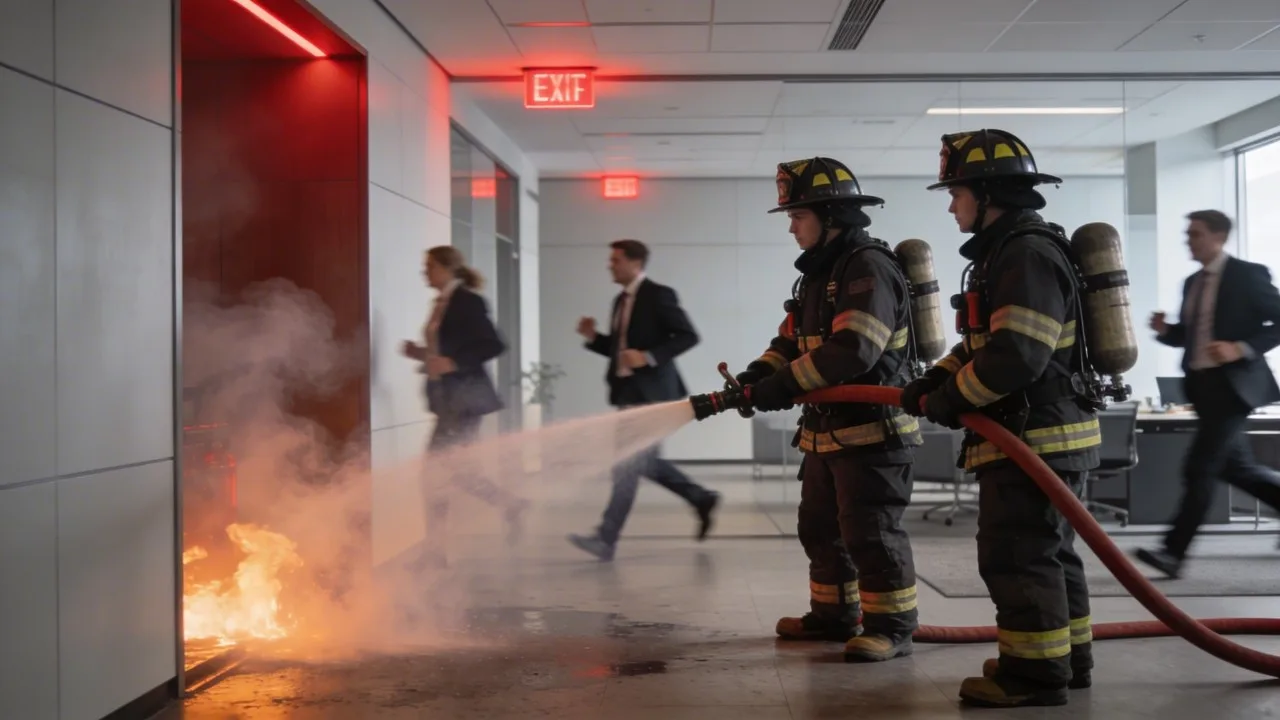
Most sales leaders operate in an 80/20 split, 80% firefighting urgent problems, 20% strategic work. That ratio is both a symptom and a cause: reactive leadership makes fires more likely, which leaves less time for the systems that would prevent them. The shift from firefighting to forecasting is not about working harder. It's about building the four conditions, clean data, repeatable process, smart automation, and coaching-oriented leadership, that make fires rare rather than routine.
The cost of reactive leadership
- Sales managers who spend the majority of their time on reactive tasks rather than coaching and strategy see up to 15% lower quota attainment across their teams. (Salesforce State of Sales)
- Forecast accuracy in companies without a formal pipeline review process is typically 40–60%, meaning leaders are making resource decisions on data they can't trust. (Gartner)
- Sales rep turnover costs an average of 150–200% of annual salary when you include lost pipeline, ramp time, and recruitment, making burnout prevention one of the highest-ROI investments a sales leader can make. (Harvard Business Review)
I still remember a conversation with the CEO of a fast-growing Swedish SaaS company. She sounded exhausted. "Urban," she said, "I spend more time putting out fires than growing the business. My sales team is on edge, I'm burnt out, and our pipeline feels like it's running on fumes."
If you're nodding along, you're not alone. Most sales leaders I meet tell the same story: 80% firefighting, 20% strategic work. That's a problem. It's also an opportunity.
Why firefighting becomes the default mode
Firefighting feels like the natural rhythm of sales leadership because it's the most visible, the most urgent. But why does it default here?
Lack of scalable systems
Without robust sales processes and clear accountability frameworks, chaos reigns. When every deal feels like a crisis, firefighting becomes the only mode available.
Poor data hygiene
Bad or incomplete data means no reliable forecast, no insight on pipeline health, and a constant scramble to "fix what's broken." Leaders end up managing by gut feel rather than by fact.
Hero culture dependency
Leaders and reps who pride themselves on "saving the day" burn out fast. This culture teaches everyone to prioritise urgent problems over preventive strategy, and it gets reinforced with every fire successfully extinguished.
The result is a reactive sales leadership that ignores the quiet, uncomfortable voice telling us to pause and plan.
Reclaiming strategic time with the D.E.A.L. framework
Here is a practical four-step method to shift from 80/20 firefighting to 50/50, or better:
D, Data: clean and trust your numbers
Invest time in improving data integrity. Establish a routine of weekly pipeline data reviews where your team audits accuracy. No guessing, no feel-based forecasts. When data is reliable, you reduce knee-jerk fires because you see problems earlier, while they're still manageable.
E, Execution: build repeatable playbooks
Design simple, repeatable sales processes. Clarity about stages, qualification criteria, and next steps lets your team self-manage better. Execution becomes less about firefighting urgent deals and more about running proven plays with predictable outcomes.
A, Augmentation: introduce AI and automation
Leverage tools for tasks like lead scoring, email sequencing, and performance analysis. Augmentation lets you offload routine tasks and focus your coaching energy where it counts, strategy and skill development, not crisis management.
L, Leadership: shift from hero to architect
The hardest step, but the most crucial. Instead of being the firefighter who jumps in to save lost deals, become the architect who designs an environment where fires happen less often. That means coaching reps to own their results, promoting autonomy, and creating accountability routines that surface problems before they become crises.
Real results: Stockholm SaaS scale-up
One client, a B2B SaaS scale-up in Stockholm, was stuck in firefighting mode for over a year. After applying the D.E.A.L. framework:
- Sales leader firefighting time dropped by 40% within three months
- Forecast accuracy improved by 30%
- Sales rep turnover fell as autonomy and clarity increased
- The sales process became predictable enough for leadership to focus on growth initiatives rather than damage control
The shift didn't require more headcount or new tools. It required a decision to stop managing crises and start building systems.
Four things you can do this week
- Schedule a 30-minute pipeline data audit with your sales ops or CRM admin. Identify the top three data gaps that are forcing you to guess.
- Identify one repetitive chaos point in your sales process and draft a simple playbook step to resolve it permanently.
- Test one automation or AI tool feature that frees your team from a recurring administrative task.
- Block one hour next week for coaching that promotes autonomy, not firefighting. Ask questions, don't solve.
Firefighting feels urgent. But it's the strategic work that builds lasting flame-retardant systems.
Book a callFrequently asked questions about sales leadership and firefighting
Why do sales leaders spend so much time firefighting?
Sales leaders default to firefighting when three conditions are present: an absence of scalable systems that let the team self-manage, poor data quality that prevents reliable forecasting, and a hero culture that rewards urgent problem-solving over preventive strategy. Each fire solved without addressing the root cause makes the next fire more likely, creating a reactive loop that's hard to break without deliberately redesigning how the team operates.
How do you improve sales forecast accuracy?
Forecast accuracy improves when three things are in place: clean CRM data with consistent qualification criteria applied at every stage, a weekly pipeline review routine that catches anomalies early, and a sales process where stage definitions are clear enough that all reps classify deals the same way. Without consistent data hygiene, even sophisticated forecasting tools produce unreliable outputs.
What is the difference between a firefighting sales leader and a strategic one?
A firefighting sales leader is primarily reactive, they spend their time resolving problems that have already become urgent. A strategic sales leader is primarily preventive, they build systems, coach for autonomy, and establish routines that surface problems early. The distinction is not about effort or skill; it's about where the leader's time is invested and whether the team has been set up to self-manage or to depend on the leader to resolve crises.
Originally published as a LinkedIn newsletter on March 17, 2026. Follow Urban Gavelin on LinkedIn →